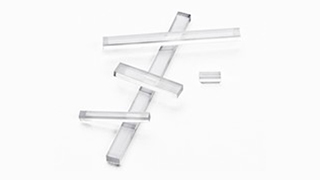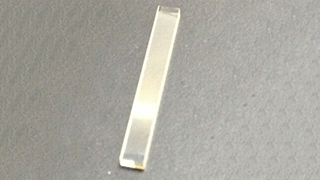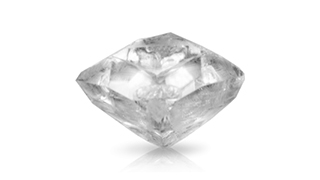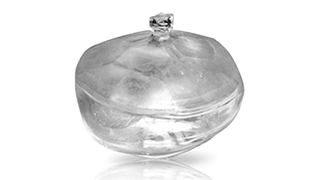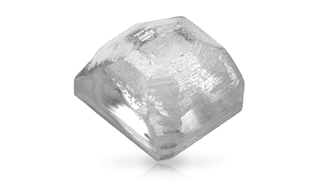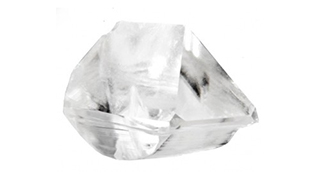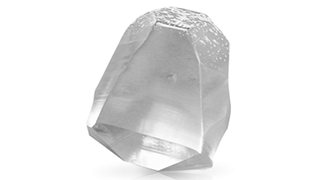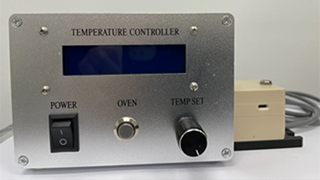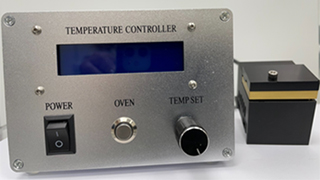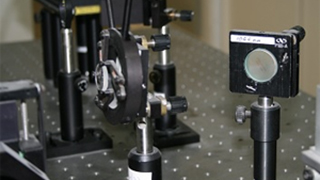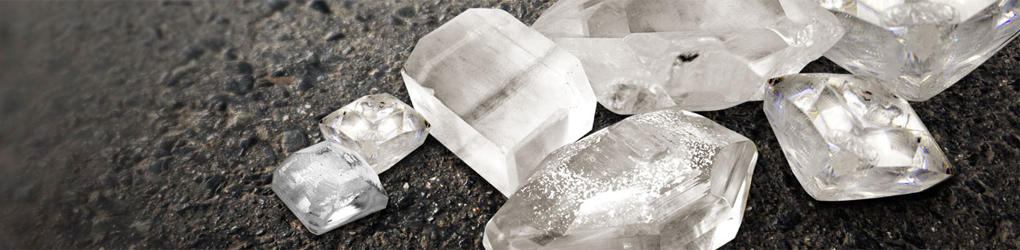
RTP 高速ポッケルスセル(最大1.2MHz rep)
- 半波長電圧1.6kV (4×4mm有効径)
- -40度から +70度で動作(参考値、摂氏)
- 安価で小型のレーザ向け、もしくはパルスピッカー等の外部共振器用途に最適です。
The Q-Switch is built using 2 RTP (Rubidium Titanyl Phosphate) elements in a temperature compensating design.
The unique properties of RTP, including high electrical resistivity (~1012 Ω-cm) and a high damage threshold, result in a Q-switch with excellent properties.
カタログ ダウンロード
ADVANTAGES
- High Damage Threshold:No Piezoelectric Ringing
- Low Insertion Loss:Thermal Compensating Design
- Non-hygroscopic
仕様
| Transmission at 1064 nm | > 98.5 % |
| Half Wave Voltage at 1064 nm, for 9×9×25 nm Q switch |
1.3 ~ 1.5 KV |
| Contrast Ratio | > 20 dB |
| Clear Aperture | From 2×2 to 15×15 mm |
| Acceptance Angle | > 1 degree |
| AR coatings | R < 0.2% at 1064 nm |
| Damage threshold | > 600 MW/cm2 at 1064 nm (τ=10 ns) |
The graphs above show the behavior of RTP and BBO Q switches at high repetition rates. In particular, the BBO shows Piezoelectric ringing at 30 kHz, while the RTP Q switch shows no ringing at this frequency.
The BBO Q switch has a 2.5x2.5x25 mm element, while the RTP Q switch has two 6x6x7mm elements.
FAQ よくある質問
RTPポッケルスセルの半波長電圧はどう算出されるのですか?
A) Y-cutの場合
HWV=6600 * d/2L (1064 nm)
HWV=2400 * d/2L (532 nm)
d= 結晶の1辺の大きさ
L=結晶長
例:結晶サイズが3x3x5mmの場合
HWV=6600x3/2x5=約2000V(@1064nm)
X-cutの場合
HWV=8000 * d/2L (1064 nm)
X-cutとY-cutの違いを教えて下さい。
Y-cutはX-cutよりも25%ほどHWVが小さいですが、大口径になる場合はX-cutがより均一性があるために推奨されます。Y-cutで推奨できる最大口径は9×9mmになります。
適当なサイズを選択するにはどうしたらいいですか?
ビーム径(1/e^2)の約2倍の結晶サイズをご選択下さい。
例:1mmビーム径の場合は2x2mm□が推奨されます。
また高電圧ドライバ出力に制限がある場合はそちらから適当な長さを確認いたします。
PP-KTPはどのようなレーザを製作したい場合に有効ですか?
主にCWレーザの倍波用に有効です。但し最大厚さが1mmまでですので、ビーム径は約0.5mmまでの制限があります。また摂氏150度以上で使用するとgray tracking現象が極端に見られなくなります。